How to succeed with event communication
Published on 18 September 2019
Event communication is an opportunity for a brand to create a direct, privileged relationship with its audience. Whether it is an internal or external event, it is possible to get the most out of the initiative by putting suitable communication strategies in place.
Event communication: a time-limited initiative
Events are a powerful marketing tool for a brand, letting it both strengthen its image and directly involve its target audience, whether internal or external.
Event communication strategies are ephemeral, lasting from a few minutes to a few days. The idea is to immerse your audience in the brand’s world and let them experience it through scenography, entertainment or other services designed to impress them completely.
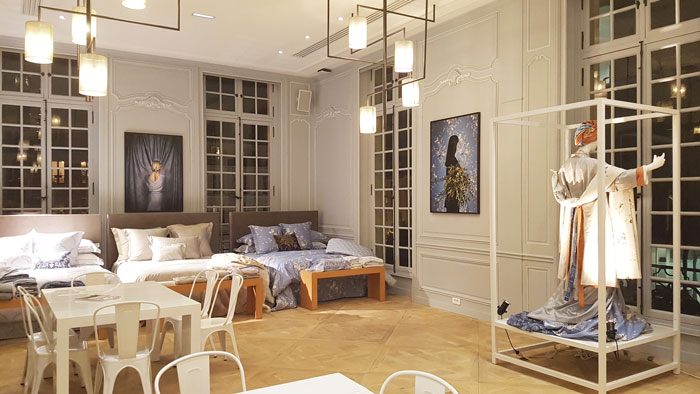
…which can be used to showcase your brand image
To get the most out of its event in terms of communication, the company has every interest in extending its reach over time, not only during the event but also before and after.
Before the event:
- During its design: the audience can be invited to take part in creating the event. The brand Frichti, for example, offers some of its customers events where they can test its new products in advance. By involving participants, you communicate about the brand while showing them that their opinion matters.
- By communicating about certain elements of the upcoming event : for this type of strategy, social media are valuable tools because they allow direct interaction between organisers and future participants. For brands that use influencers in their strategy, it is an opportunity to get them talking about the event to their community. You can choose to focus this teasing on the event’s theme, the venue, the highlights, and so on.
What does event teasing look like? Head to social media to discover the strategy put in place by L’Atelier 1664:
- A few days before the event, many influencers posted photos revealing the event’s theme, “Tellement Français”. This communication was discreet, since the event was not clearly named, but that was precisely the strategy chosen to push followers to want to know more.
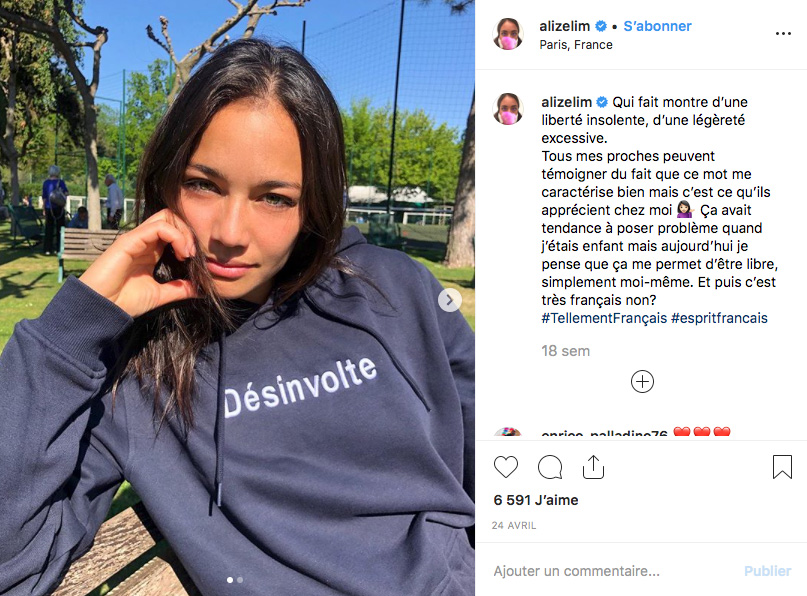
(photo Alizé Lim)
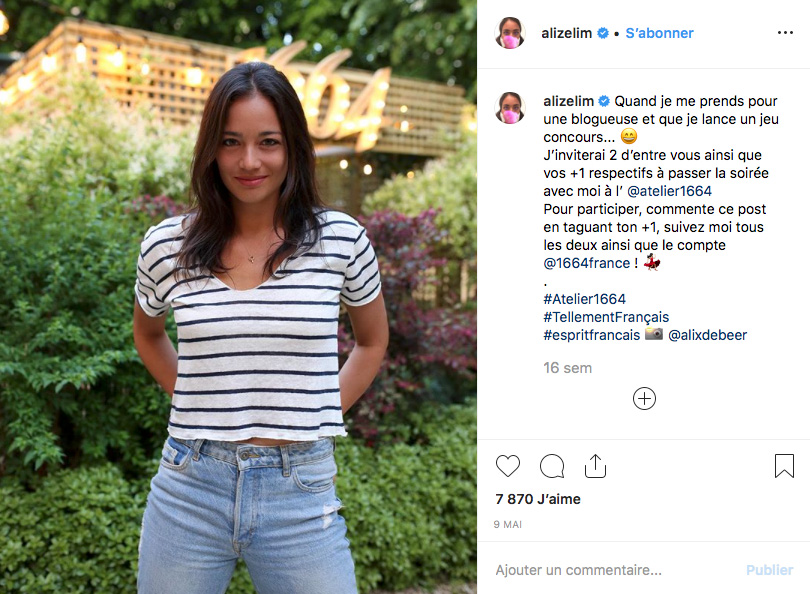
This shows what is at stake in using social media for an effective event communication strategy.
After the event:
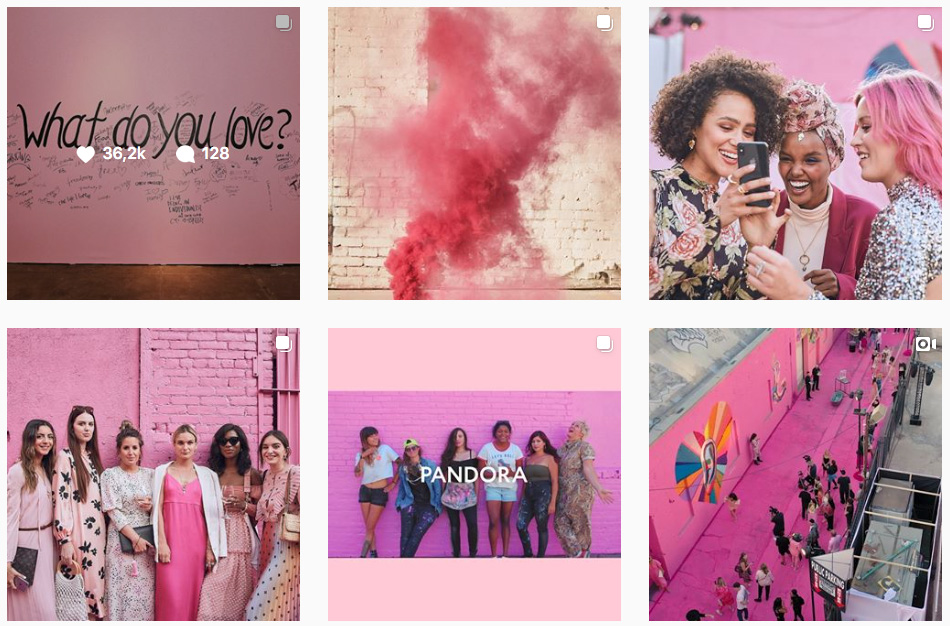
- By keeping the memory of the event alive : by gathering testimonials and sharing them, and by broadcasting the highlights that marked the event (photos of participants, videos of talks, thank-yous…). Once again, it is on social media that brands often choose to communicate afterwards. This strategy is particularly used when the event aims to showcase a new product.
This is, for example, the strategy chosen by the jewellery brand Pandora following the launch evening of its new collection. Thanks to a scenography designed down to the last detail and a specially created hashtag, the event keeps people talking long after it took place. The brand thus succeeded in drawing the attention of its customers and future customers to its new products.
- By using the event as an internal communication tool: the content obtained at the event (photos, videos, quotes…) can also be reused in the future as material for internal communication campaigns or to strengthen the company’s employer brand.
Do you have an event project? Our teams can show you around our venues and put you in touch with the best suppliers to support you at the different stages of your project!