Metaverse and immersion: for experiential events
Published on 13 March 2023
Today, an event must be user-centric to generate engagement. The digitalisation of events and the emergence of new virtual formats invite events players to put participants at the heart of the set-up in order to create the experience. To achieve this, there are now different ways of immersing the audience in dematerialised worlds. So how are the metaverse and immersion challenges for experiential events?
The opportunities offered by the metaverse for experiential events
Popularised by video games such as Fortnite, metaverse platforms (for example Decentraland, The Sandbox, Roblox, etc.) that use immersive technologies are now being taken up by various sectors. These include advertising, e-commerce and education. But following the Covid-19 pandemic and its impact on the events sector, the latter is also benefiting from the opportunities web3 offers for organising experiential events:
Overcoming geographical distances
For international companies whose employees are spread across the five continents, the metaverse is a real opportunity, notably for internal events. With the growth of remote working, this type of platform makes complete sense and lets employees save time and partly reduce their ecological footprint.
Interacting and collaborating with other participants
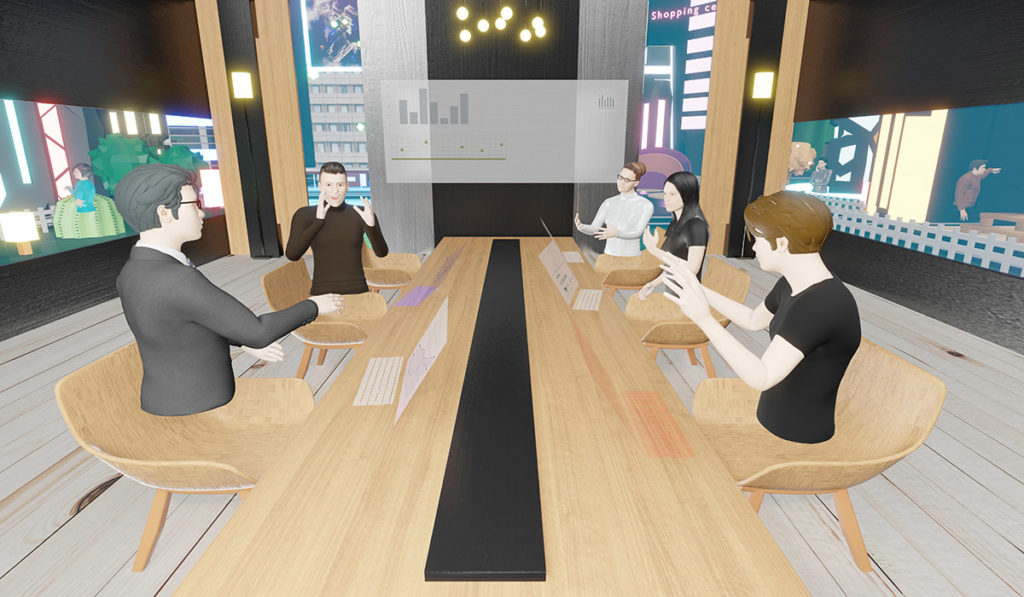
Gamified team building, onboarding, 3D conferences, meetings in dedicated rooms depending on the topics to be addressed… The metaverse enables socialising and fosters virtual collaboration, notably through the use of avatars, videos and augmented reality. For example, the companies Spatial, RLTY and Orbits aim to help brands build their own spaces in the metaverse, in order to share their corporate culture and employer brand.
Discovering inaccessible places
The metaverse and immersion make it easier to visit geographically remote places and historic sites that have been totally or partially destroyed. For example, the Éternelle Notre-Dame project lets you live a virtual reality experience that is both immersive and collective. This journey through time invites 50 visitors to explore the building simultaneously and meet its emblematic figures.
Training in dedicated spaces
The gamification, experiential nature and immersion that the metaverse allows simplify the provision of online training, as well as interactions between participants. It also lets employees be active by taking part, for example, in design thinking workshops or brainstorms, while promoting memory retention.
Creating temporary events and venues
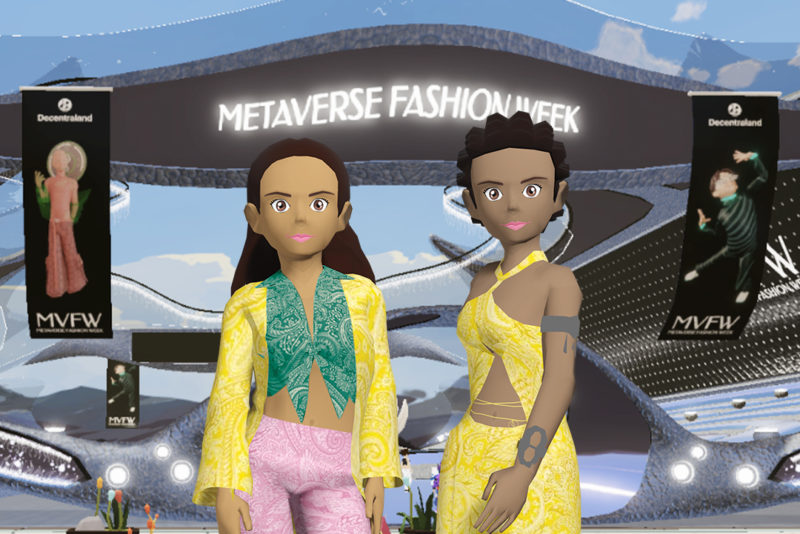
Whether trade shows, temporary shops, pop-up stores or showrooms, the metaverse makes it possible to combine web 3.0 and e-commerce. With the rise of avatars and holograms, users like to transcribe their physical reality onto virtual platforms. Events and pop-up stores linked to the fashion and luxury industry are already very successful. Among the most popular metaverse events is the 2nd edition of Metaverse Fashion Week 2023, which will take place shortly on the Decentraland platform.
Imagining breathtaking scenographies
Certain artistic events can be elevated by dematerialisation. The metaverse offers the possibility of organising exhibitions and concerts with unique scenographies. A year ago, the channel Arte broadcast an experimental virtual reality concert on Horizon Worlds. “The metaverse brings the collective aspect that virtual reality was missing,” explained Gilles Freissinier, Director of Digital Development at the cultural channel.
It therefore seems clear that the metaverse, as an immersive space, offers new prospects for events players. Even so, it requires creating seamless experiences that tolerate no latency or accessibility problems.
Using technology to create experiential events
Today, the French spend around a third of their waking free time on screens, according to the Digital Barometer – 2022 edition (professional activity and leisure time combined). It is therefore conceivable that in 2026, as the consultancy Gartner predicts, 1 person in 4 will spend on average an hour a day in an immersive web3 space, to be entertained, shop or work.
However, in its 2023 forecasts on the metaverse and NFTs, the consultancy Forrester stresses that at present most event participants prefer to meet in person. The physical experience still takes precedence over the digital experience for networking and/or better socialising.
The whole challenge for events companies now lies in creating original, meaningful experiential events, both in person and in the metaverse.
Storytelling, storyliving and storyselling
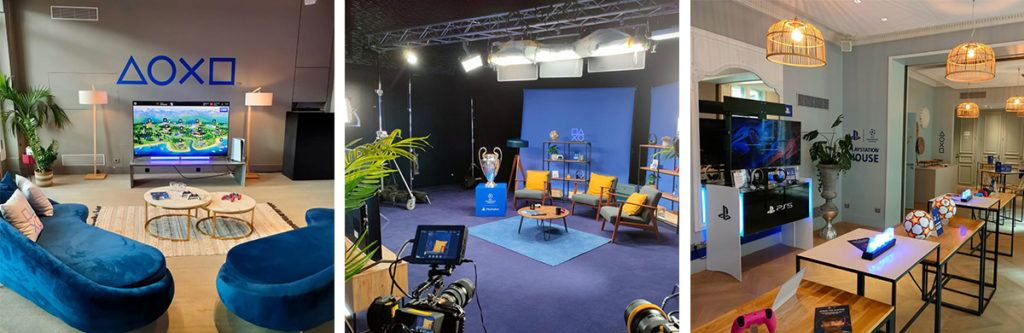
For event participants to live a memorable experience in the metaverse, event planners must first think of an impactful message to elevate via digital platforms. Thanks to the development of virtual reality, it is now possible to go beyond simple storytelling and invite participants to live the event by arousing emotions, sensations and dreams. For some brands, the aim would even be to use storyliving to encourage purchase.
The use of innovative, suitable equipment
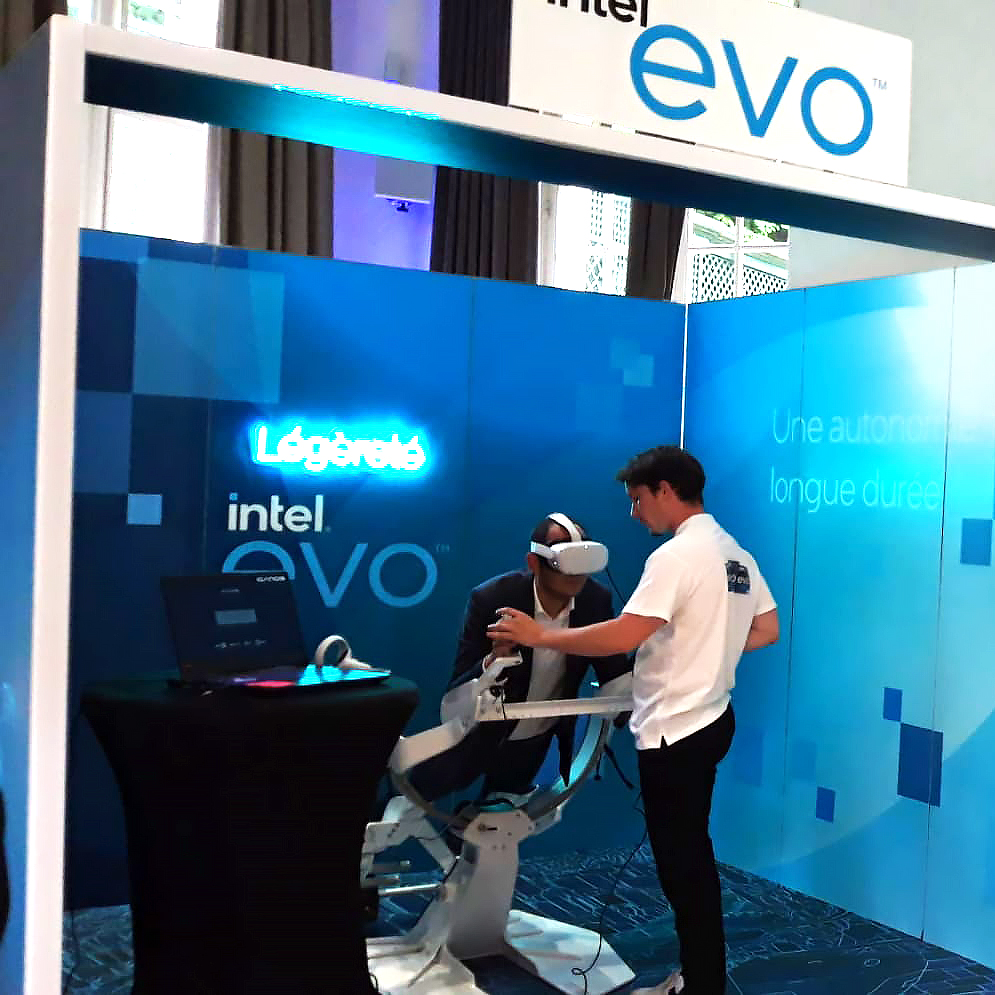
To set up hybrid experiences where the two parallel worlds meet, the events sector can rely on suitable equipment. For example, VR headsets, haptic gloves or the sensory-feedback vest help create bridges between the real and virtual worlds by letting people live and feel things beyond the screen.
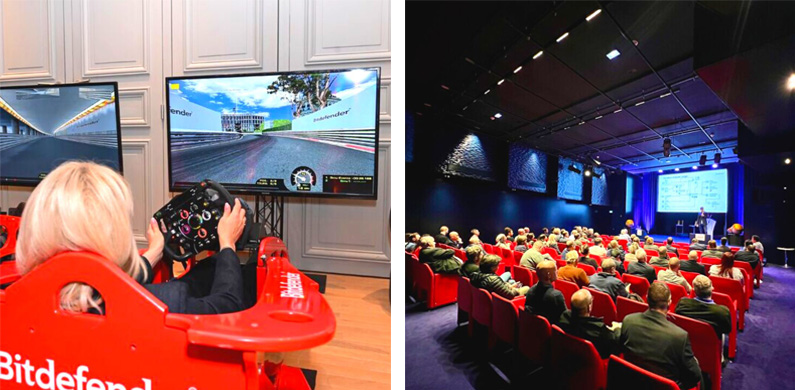
The By Kadrance venues are spacious places where any type of digital, immersive event linked to the metaverse can be deployed. Our equipped Screening Room turns into a VR space, and our other spaces allow booths or specific stands for augmented reality to be installed. And why not imagine taking over one of our venues entirely?
Do not hesitate to contact us to find out more: contact@by-kadrance.com